
There’s nothing quite like the comforting aroma of a pot of Classic Beef Stew simmering on a chilly evening. The inviting scent wafts through the house, creating a warm and cozy atmosphere. This hearty dish combines tender chunks of beef with vibrant vegetables, crafting a delightful medley that’s both savory and satisfying. Did you know that stew has been a staple in many cultures since ancient times? It’s fascinating to think about how this warm dish can bring families together across generations.
In my quest for the perfect stew, I often compare it to a popular chicken stew recipe I’ve shared – while chicken is light and delicate, beef stew is like a warm hug on a winter evening, filling you with a sense of comfort and joy. So if you’re ready to dive into this delicious ride filled with flavor and nostalgia, let’s get cooking!
What is Classic Beef Stew?
Classic Beef Stew is a culinary gem, known for its rich flavors and heartwarming nature. But, have you ever stopped to wonder who first dubbed it “stew”? Seems like a fancy word for some good-old heartiness, right? The way to a man’s heart is through his stomach, and this dish is certainly a testament to that! Imagine gathering around the table, bowls steaming with goodness, laughter mingling with the fragrant scent of a bubbling pot. If that sounds like your idea of a perfect family gathering, then grab your apron, and let’s explore how to make this classic dish!
Why You’ll Love This Classic Beef Stew
First and foremost, Classic Beef Stew is the star of any family meal. It’s a symphony of flavors and textures, featuring tender beef that practically melts in your mouth, paired with hearty chunks of carrots and potatoes. This dish not only satisfies the taste buds but also your wallet. Cooking at home is often more economical than dining out, and this recipe proves that delicious, nutritious meals can be prepared without breaking the bank.
Plus, you can elevate your stew with your favorite toppings like fresh herbs or a sprinkle of cheese. The aroma that fills your kitchen while this stew is bubbling away will remind you of a rich, savory shepherd’s pie but with a heartwarming twist. So gather your loved ones around your kitchen – let’s make some memories!
How to Make Classic Beef Stew
Quick Overview
Classic Beef Stew is incredibly easy to whip up, making it perfect for a weeknight supper or a special family gathering. With the heartiness of tender meat and the vibrant crunch of vegetables mingling together, this dish promises not just satisfaction but a delightful fullness. Preparation only takes about 20 minutes, followed by a low and slow simmer that deepens the flavors.
Ingredients
- 2 pounds beef chuck, cut into 1-inch cubes
- 3 tablespoons olive oil
- 4 cups beef broth
- 4 carrots, sliced
- 4 potatoes, diced
- 1 onion, chopped
- 3 cloves garlic, minced
- 2 tablespoons tomato paste
- 2 teaspoons dried thyme
- 2 bay leaves
- Salt and pepper to taste
Step-by-Step Instructions
- Prep the Beef: Start by cutting your beef chuck into 1-inch cubes. This size allows for even cooking and tender bite-sized pieces.
- Sear the Meat: In a large pot or Dutch oven, heat the olive oil over medium-high heat. Add the beef cubes in batches, searing them on all sides until browned. This step builds an incredible depth of flavor.
- Sauté the Aromatics: Once the meat is browned and removed, add the chopped onion and minced garlic to the pot. Sauté until the onion becomes translucent and fragrant.
- Add the Vegetables: Toss in the sliced carrots and diced potatoes. Stir to combine the ingredients, allowing them to soak in the delicious flavors left in the pot.
- Create the Stew Base: Return the beef to the pot. Add the beef broth, tomato paste, dried thyme, bay leaves, and a good sprinkle of salt and pepper. Stir well to combine.
- Simmer to Perfection: Bring the mixture to a boil, then reduce the heat to low. Cover and let it simmer for about 1.5 to 2 hours, or until the beef and vegetables are tender, stirring occasionally.
- Final Touches: Once ready, taste and adjust seasoning if necessary. Remove the bay leaves before serving.
Top Tips for Perfecting Classic Beef Stew
- Substitutions: If you prefer a leaner cut of beef, try using sirloin or round cuts, but keep in mind they may require less cooking time to stay tender.
- Timing: Allow your stew to simmer longer if you can; this enhances the flavor even more. You can let it cook all day on a low heat, which will fill your home with mouth-watering aromas.
- Avoid Mistakes: Don’t skip the browning step! It adds a rich flavor base that can’t be replaced.
Storing and Reheating Tips
For those who enjoy meal prep or want to savor your Classic Beef Stew over several days, it stores beautifully! Refrigerate leftovers in an airtight container for up to 3-4 days. You can also freeze the stew for up to 3 months. When reheating, simply warm it on the stovetop over low heat until it’s hot throughout, or use a microwave, ensuring you stir halfway to promote even heating.
Now that you’re armed with an irresistible recipe and expert tips, gather your ingredients, and get ready to share a steaming bowl of Classic Beef Stew with your loved ones. It’s a meal that not only satisfies but also warms the heart – exactly what you need for those winter evenings. Enjoy!
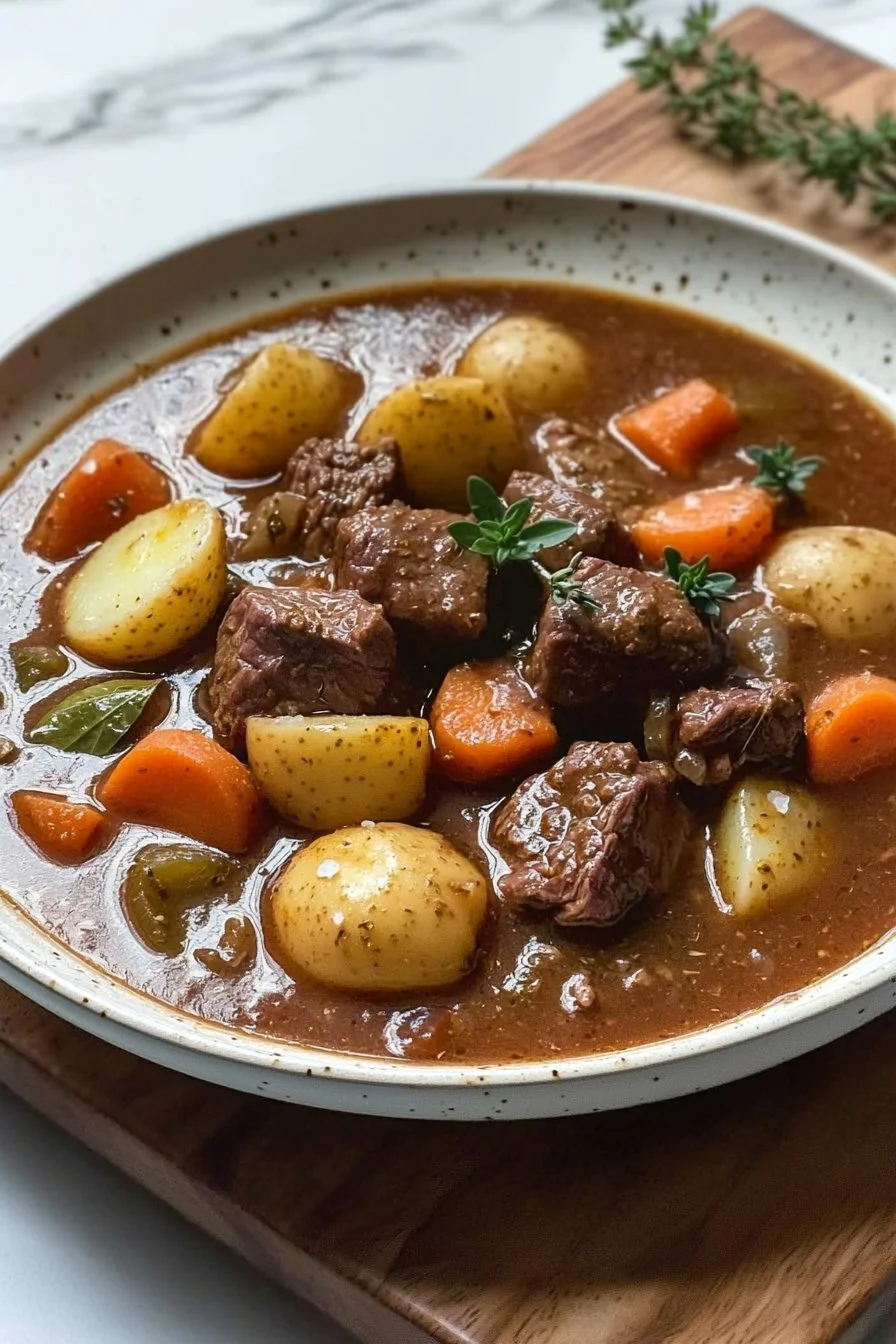
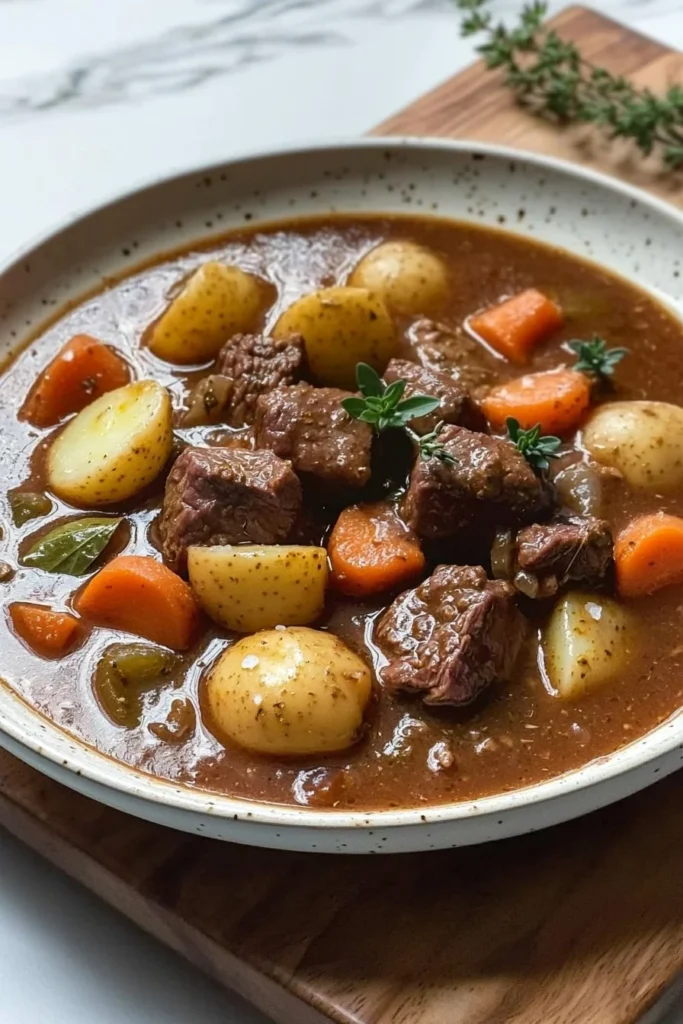
Classic Beef Stew
Ingredients
Method
- Start by cutting your beef chuck into 1-inch cubes.
- In a large pot or Dutch oven, heat the olive oil over medium-high heat. Add the beef cubes in batches, searing them on all sides until browned.
- Once the meat is browned and removed, add the chopped onion and minced garlic to the pot. Sauté until the onion becomes translucent and fragrant.
- Toss in the sliced carrots and diced potatoes. Stir to combine the ingredients.
- Return the beef to the pot. Add the beef broth, tomato paste, dried thyme, bay leaves, and a good sprinkle of salt and pepper. Stir well to combine.
- Bring the mixture to a boil, then reduce the heat to low. Cover and let it simmer for about 1.5 to 2 hours, or until the beef and vegetables are tender.
- Once ready, taste and adjust seasoning if necessary. Remove the bay leaves before serving.
Leave a Reply